Choosing the Right Swimming Pool: Options and Design Inspiration for Any Backyard
Choosing the right backyard pool calls for thorough evaluation of different styles and configurations. Each selection, including in-ground, above-ground, and inflatable pools, offers notable strengths and limitations. Grasping these variations assists homeowners in making arrive at educated decisions that suit their needs and lifestyle. Since both aesthetics and functionality are essential, exploring modern design trends and landscaping ideas becomes important. Which elements should homeowners consider to ensure a well-executed setup?
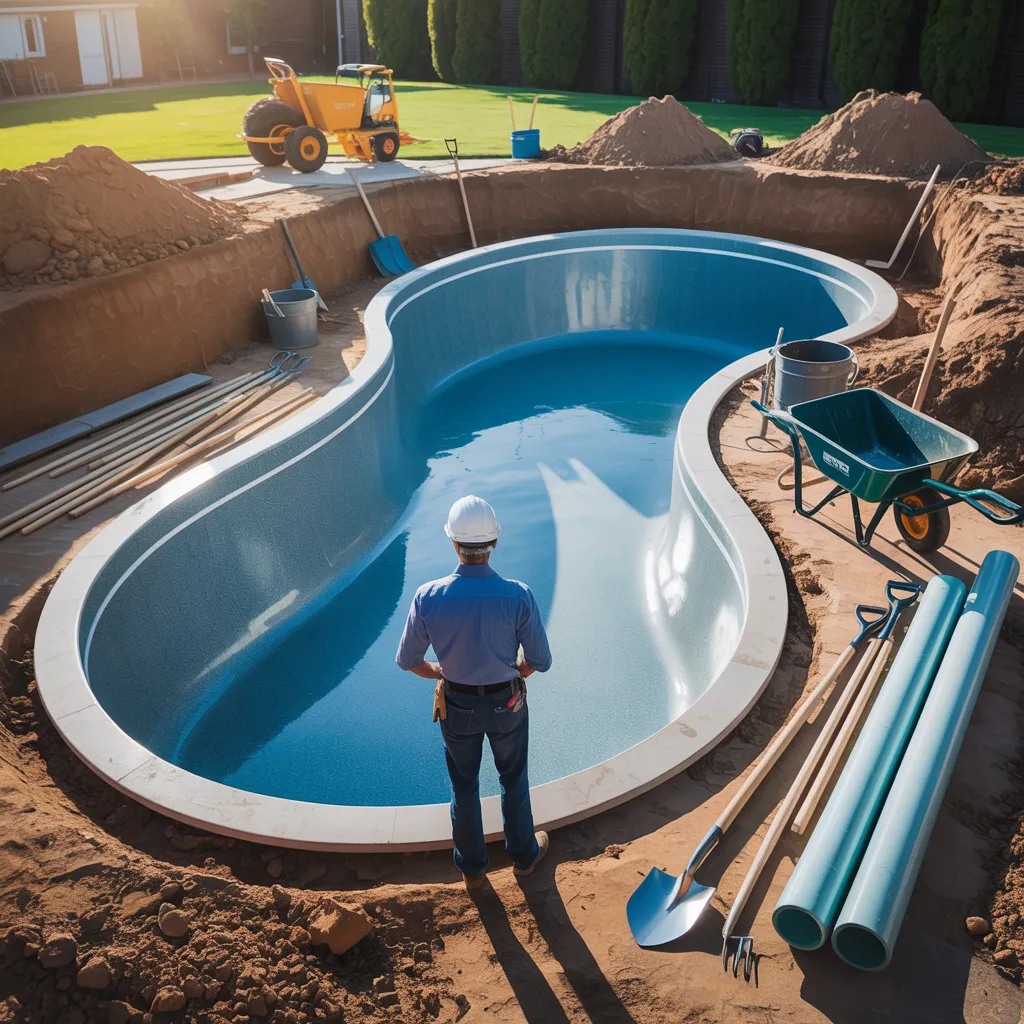
What Swimming Pool Type Is the Right Choice for You?
Selecting the right pool type can be a complex decision for many homeowners. Multiple factors, including finances, available space, and planned use, play important roles in this decision. Homeowners may look into options such as in-ground pools, aboveground pools, and even inflatable varieties.
Subterranean pools, often seen as more permanent, support a wide range of designs and customizations, accommodating visual preferences and seamless landscape blending. Conversely, aboveground pools present affordability and easier installation, making them suitable for those with limited budgets or temporary needs.
Moreover, inflatable pools provide flexibility and convenience, great for seasonal use or smaller spaces. Each type has unique benefits and limitations, so potential pool owners must thoughtfully examine their particular conditions. In the end, the most suitable pool type should match lifestyle, maintenance capacity, and long-term goals, ensuring a satisfying investment that enhances outdoor living.
In-Ground vs. Above-Ground Pools: A Comparison
When thinking about a pool, property owners frequently struggle with the decision between above-ground and in-ground options. Inground pools typically offer a more permanent and aesthetically pleasing choice, seamlessly integrating with the surrounding environment. They can be customized in shape, size, and materials, allowing for a personalized adaptation to any outdoor design. That said, the installation process can be expensive and lengthy.
By comparison, above-ground pools provide a budget-friendly entry point for families looking for aquatic amenities. They are easier to install and are frequently ready in only a couple of days. Even if they fall short of the visual elegance of in-ground pools, modern designs have improved their aesthetics remarkably. Maintenance for both types varies, with in-ground pools typically demanding more maintenance. In the end, the final selection comes down to personal preferences, budget, and desired longevity, necessitating that homeowners thoroughly assess the benefits and drawbacks of each alternative.
Top-Rated In-Ground Swimming Pool Choices
When selecting a below-ground pool, a few standout choices offer distinct benefits. Concrete pools provide long-lasting durability and extensive customization options, while fiberglass pools deliver speedy find here installation and reduced maintenance demands. Vinyl liner pools offer a cost-effective solution with numerous design options, each suited to varying tastes and financial considerations.
Concrete Pool Advantages
Concrete pools are recognized as an excellent option for below-ground pool installations due to their durability and design flexibility. Unlike other materials, concrete can be formed into virtually any form or dimension, enabling homeowners to craft a customized oasis that enhances their outdoor space. This flexibility ensures that features such as steps, benches, and water features can be smoothly included. Moreover, concrete pools are notably strong, able to withstand extreme weather and frequent use. When properly maintained, they can endure for many years, making them a worthwhile long-term commitment. Beyond that, the porous quality of concrete permits numerous finishing options, including tiles and plaster, enhancing aesthetic appeal. In summary, concrete pools provide a combination of practicality and elegance, making them an outstanding option.
Fiberglass Pool Benefits
Fiberglass pools present an attractive option for homeowners seeking an in-ground swimming solution, especially due to their low maintenance requirements and quick installation process. Constructed from a durable material, these pools inhibit algae development, significantly cutting down on the necessity for chemical treatments. Their polished surface is not only gentle to the touch but also reduces the chance of cuts and scrapes. Furthermore, fiberglass pools come in a variety of shapes and sizes, allowing for customization to fit diverse backyard aesthetics. The adaptability in design empowers homeowners to develop a one-of-a-kind outdoor area. Moreover, their energy-saving properties can result in reduced heating expenses, making fiberglass pools a wise and budget-friendly selection for individuals seeking to upgrade their outdoor living space.
Vinyl Liner Selections
Vinyl liner pools are a preferred selection for homeowners seeking a versatile and budget-friendly backyard swimming solution. These pools utilize a flexible vinyl lining, which accommodates diverse shapes and configurations, supporting diverse backyard designs. Homeowners may choose from a broad selection of designs and color options, elevating the overall look of their backyard environments.
Additionally, vinyl liner pools are typically lower in cost to set up than other materials like concrete or fiberglass. Upkeep is also made easier, as the smooth surface limits algae buildup. Nonetheless, it is important to keep in mind that liners commonly need to be renewed every seven to fifteen years, depending on maintenance and usage habits. In summary, vinyl liner pools offer an excellent balance of cost-effectiveness, personalization, and low-maintenance upkeep for today's homeowners.
Contemporary Swimming Pool Ideas for Your Backyard
What sets a contemporary swimming pool design apart in a backyard? The sleek lines and minimalist aesthetics create an inviting atmosphere that seamlessly blends with contemporary architecture. Such pools commonly showcase geometric configurations, including rectangles or squares, elevating structure and elegance in outdoor environments. Materials like glass, stainless steel, and natural stone are frequently used, offering a sophisticated yet understated look.
Infinity edges stand as a signature element of modern design, offering a striking visual relationship between the pool and its surroundings, commonly producing the effect of water flowing endlessly to the horizon. Moreover, including amenities like LED lighting and built-in seating improves practicality and enriches the overall ambiance.
Water features, such as fountains or waterfalls, can be integrated for a touch of elegance. Ultimately, modern swimming pool designs prioritize not only beauty but also the experience, transforming backyards into luxurious retreats that invite relaxation and enjoyment.
Garden Ideas to Upgrade Your Pool Area
Enhancing the pool area requires careful landscaping that cultivates a unified environment. Incorporating rich vegetation, ornamental decking, and effective shade structures can convert the space into a relaxing haven. Such features not only improve the overall look but also boost convenience and relaxation.
Lush Green Surroundings
When thinking about the overall attractiveness of a swimming pool, vibrant green landscapes can significantly improve the complete enjoyment. Including vibrant landscaping elements, such as ornamental grasses, flowering shrubs, and native plants, establishes a tranquil atmosphere that harmonizes with the water's blue hues. Strategically placed trees not only deliver natural cover but also introduce dimensional appeal, while ground cover plants can gentle harsh lines around the pool area. Furthermore, the use of tropical plants, like palms and ferns, can create a vacation-inspired setting. To amplify the scenic appeal, arranging plants at different levels adds dimension, while seasonal blossoms offer year-round appeal. In summary, a well-designed landscape reshapes the pool surroundings into a serene sanctuary, encouraging rest and leisure.
Decorative Pool Decking
Decorative pool decking acts as a vital component in establishing an appealing and versatile outdoor environment. It improves the visual appeal while offering a secure surface for poolside use. Numerous materials, like natural stone, concrete, and wood, present varied textures and tones, giving homeowners the freedom to pick styles that suit their landscape. Adding patterns, mosaics, or ornamental tiles can significantly enhance the aesthetic value. Additionally, integrating landscaping features, like planters or seating areas, can seamlessly blend the decking with the yard. Adequate drainage and non-slip surfaces are essential factors for ensuring safety. By thoughtfully selecting and designing pool decking, homeowners can transform their pool area into a luxurious retreat that reflects personal style and encourages relaxation.
Practical Shade Selections
A well-designed pool area goes beyond looks to prioritize comfort and functionality. To improve how the area can be enjoyed, incorporating effective sun protection features is important. Pergolas serve as a sophisticated choice, offering dappled shade while letting natural light pass through. Shade sails are a flexible alternative, simple to reposition for optimal sun protection. For a fixed architectural feature, gazebos can form a welcoming hideaway, complete with seating and decor. Additionally, strategically placed trees or tall shrubs can offer organic coverage, improving the ecological appeal of the area. These options serve a dual purpose of shielding swimmers from intense rays while forming inviting spaces for relaxation, ensuring the pool space remains pleasant at all hours.
Financial Planning for Your Dream Swimming Pool
Even though the attraction of a dream swimming pool is compelling, thoughtful financial planning is essential to make that dream a reality. Homeowners are advised to first assess their complete budget, factoring in both initial installation and long-term maintenance costs. Considerations such as pool category—inground or above ground—have a major impact on expenses. Inground pools, while more expensive, often add considerable property value.
Moreover, it is necessary to factor in additional features like lighting, decking, and heating, which can elevate the pool experience but also notably increase costs. Pool landscaping should also be considered within your overall budget, as it plays a role in the overall aesthetic.
Furthermore, residents should reserve funds for unforeseen costs, which can arise during installation. Engaging with specialists for project evaluations and exploring financial alternatives can bring transparency and make easier the budgeting process, confirming that the desired pool becomes a rewarding reality without financial strain.
Common Questions and Answers
How Can I Keep Pool Water Quality All Year Long?
In order to preserve pool water quality all year long, routine testing and adjustment of pH and chlorine levels is necessary. Consistent cleaning, proper filtration, and ongoing water temperature checks are also key to maintaining a healthy swimming environment.
Which Safety Features Should I Look Into for My Pool?
Key safety features to assess for a pool consist of slip-resistant surfaces, alarms, pool covers, self-closing gates, and fencing. Additionally, installing pool lights and ensuring proper supervision can greatly enhance safety for all users.
Can I Put in a Pool by Myself?
Certainly, a pool may be constructed by one person, provided the person has the required skills, tools, and knowledge. That said, the help of a professional is commonly recommended to ensure safety, proper construction, and adherence to local regulations.
What Permits Are Needed for Installing a Pool?
The permits required for pool installation commonly encompass plumbing, building, and electrical permits. Local regulations may vary, so it is essential to consult with local authorities to guarantee compliance with safety standards and zoning laws.
What Is the Most Efficient Way to Heat My Pool?
To efficiently heat a pool, you can use solar heaters, heat pumps, or gas heaters. Moreover, placing a solar cover on the pool can effectively retain heat, reducing energy loss on cooler nights and enhancing overall heating efficiency.